The Vaganova Method
Throughout history, different regions have developed their own distinctive ballet styles — including Russian, French, Danish, Italian, British, and American ballet traditions. Each school reflects the culture, artistry, and technical priorities of its origin.
The Vaganova Method is a system of classical ballet training developed by Agrippina Vaganova, one of the most influential ballet pedagogues in history. Her method combines the romantic elegance of French ballet, the dramatic expressiveness of Russian artistry, and the athletic virtuosity of the Italian school. By synthesizing these traditions, Vaganova reformed and modernized the old Imperial Russian style of ballet teaching.
Agrippina Vaganova graduated from the Imperial Ballet School in Saint Petersburg in 1897 and went on to dance professionally with the Imperial Russian Ballet. After retiring from the stage in 1916, she dedicated her life to teaching. Following the Russian Revolution, she returned to the school in 1921 as a teacher and later became its Director. Through her leadership, the school rose to international prominence and trained some of the most celebrated dancers in ballet history.
During her 30-year teaching career, Vaganova developed a precise and progressive system of instruction. Her method emphasizes:
-
Strong lower back development
-
Expressive and coordinated port de bras (arm work)
-
Strength, flexibility, and endurance
-
Stability and placement
-
Technical precision with artistic freedom
A central focus of her training was preparing dancers for classical pas de deux, ensuring they possessed both the strength and coordination required for partnering work.
In 1948, Vaganova published her seminal book, Basic Principles of Russian Classical Dance (originally titled The Foundation for Dance). This text codified her system into a structured, progressive syllabus that continues to guide ballet education worldwide.
Her method has produced legendary artists including Anna Pavlova, Rudolf Nureyev, Natalia Makarova, Mikhail Baryshnikov, and George Balanchine, among countless others performing in major companies around the world.
In 1957, the Imperial Ballet School was renamed the Vaganova Ballet Academy in her honor. Today, the Academy remains the official school of the Mariinsky Ballet and continues to uphold her legacy. The Vaganova Method is now one of the most widely taught ballet systems in Russia, Europe, and North America.
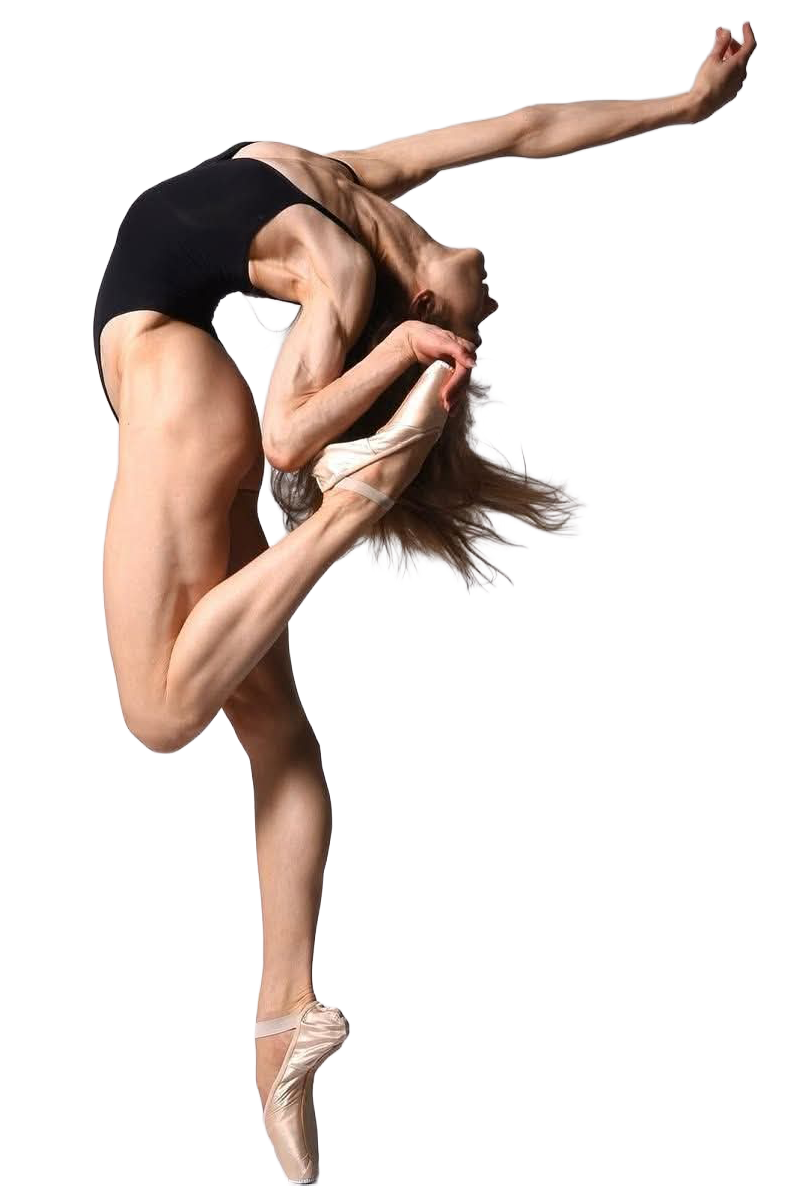
Vaganova Graduates
What Makes the Vaganova Method Unique?
The Vaganova style is known for its clarity, harmony, and strength. Movements are clean and precise, yet never rigid. Dancers trained in this method develop power and control while maintaining softness, fluidity, and expressive artistry on stage.
The syllabus follows eight progressive levels leading to diploma certification. Early training focuses heavily on épaulement — the refined coordination of shoulders, head, and upper body — combined with strong back development. This foundation creates seamless coordination, beautiful lines, and continuity of movement.
The method emphasizes:
-
Systematic progression of technique
-
Attention to detail and timing in instruction
-
Balanced physical development
-
Proper placement to prevent injury
-
Simultaneous growth of technique and artistry
By breaking down complex movements into clear, logical components, the Vaganova Method ensures dancers understand not just how to perform steps, but why they are performed in a certain way. This scientific and structured approach builds technically strong, injury-resistant dancers who move with grace, intelligence, and expressive individuality.
Ultimately, the Vaganova Method creates artists — dancers who combine strength with elegance, discipline with creativity, and precision with emotion.